
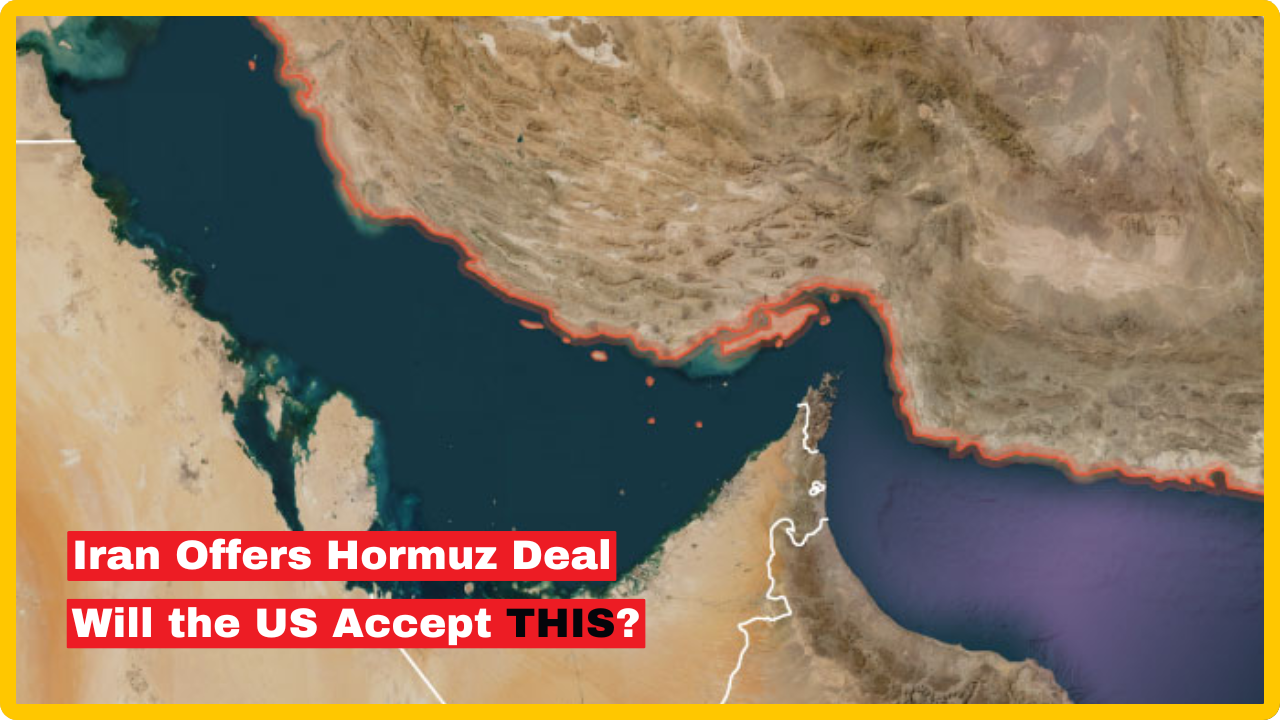
In a significant but deeply complicated diplomatic development, Iran has formally offered to reopen the Strait of Hormuz to international shipping in exchange for the United States lifting its naval blockade and declaring an end to the two-month-long war — while pushing any discussion of its nuclear program to a later, separate phase of negotiations. Two regional officials with direct knowledge of the closed-door talks confirmed Monday that the proposal was passed to Washington through Pakistani mediators, even as the White House signaled it had received the offer and was actively reviewing it at the highest levels of government.
The proposal arrives at a pivotal and fragile moment. A ceasefire, extended indefinitely by President Donald Trump last week, has largely halted active combat operations. But the underlying dispute over the Strait of Hormuz — the narrow passage connecting the Persian Gulf to the Arabian Sea through which roughly twenty percent of the world’s traded oil and gas flowed in peacetime — remains deeply unresolved, with both sides maintaining blockades that have sent global energy prices soaring and strained economies around the world.
What Tehran Is Offering?
The core of Iran’s offer is straightforward in structure, if not in its political implications. Tehran has proposed that it will end its chokehold on the Strait of Hormuz, allowing international shipping to resume unimpeded, provided the United States agrees to two reciprocal conditions: the lifting of its naval blockade on Iranian ports, and a formal end to the state of war between the two countries and their respective allies.
Critically, according to the two regional officials who spoke on condition of anonymity, Iran’s proposal deliberately sets aside the nuclear question – at least for now. Any discussions about Iran’s enrichment program, its stockpile of highly enriched uranium, or the long-term status of its nuclear infrastructure would be deferred to a subsequent negotiating phase, after the immediate military standoff is resolved.
One official involved in the mediation process further revealed that Iran has been exploring a parallel mechanism: persuading Oman to support a system of tolls for vessels transiting the strait, a move that would give Tehran a degree of ongoing economic leverage even after the waterway formally reopens. Oman’s response to that proposal was not immediately available.
Pakistan’s Role as the Go-Between
The offer was not conveyed directly but routed through Pakistani mediators – the same diplomatic channel that brokered the original April 7 ceasefire and hosted two previous rounds of high-level engagement between American and Iranian officials in Islamabad. The Pakistani mediation effort has also drawn in officials from Egypt, Turkey, and Qatar, all of whom have been working behind the scenes to bridge what sources describe as significant and persistent gaps between the two sides.
The White House Responds: Measured, Not Enthusiastic
Leavitt Confirms Situation Room Meeting
White House Press Secretary Karoline Leavitt confirmed Monday afternoon that President Trump had convened a meeting with his national security team to discuss Iran’s latest proposal, describing the session as potentially still ongoing at the time of her remarks.
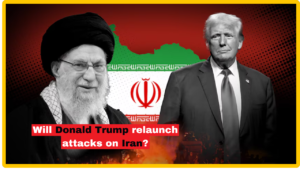
The White House’s public posture remained carefully noncommittal. A spokesperson stated that the United States would not negotiate through the press, reiterating Trump’s repeated insistence that America “holds the cards” and will only accept an agreement that definitively prevents Iran from acquiring nuclear weapons.
Rubio Pours Cold Water
Secretary of State Marco Rubio was notably less diplomatic in his framing. Rubio appeared to dismiss the Iranian offer with pointed skepticism, suggesting that a deal which removes American leverage — in the form of both its naval blockade and the ongoing military pressure – before resolving the nuclear question would leave the United States with little ability to secure the concessions it originally went to war to obtain.
That concern is central to the White House’s dilemma. Agreeing to end the blockade and declare the war over would, by definition, remove the primary instruments of pressure the administration has used to try to force Iran to the negotiating table on uranium enrichment. Critics of the proposal argue that Tehran is essentially offering to stop doing something harmful – choking global oil supply – in exchange for the U.S. abandoning its coercive tools, while the core nuclear disagreement remains entirely unresolved.
The Economic Toll: $108 Oil and a World Under Strain
Global Markets Buckle Under the Strait’s Closure
The urgency behind any resolution of the Strait of Hormuz standoff is not merely diplomatic — it is felt in household budgets and commodity prices around the globe. Since Iran effectively shut down the passage in late February, oil prices have climbed relentlessly. By Monday morning, Brent crude — the international benchmark — was trading at approximately $108 per barrel, representing a nearly fifty percent increase from the price on the day the war began.
Tankers laden with crude oil from Gulf producers have sat stranded inside the Persian Gulf for weeks, unable to safely transit the strait, while shipping companies have either suspended operations in the region or demanded enormous premiums to accept the risk of passage. The ripple effects have extended well beyond fuel pumps: fertilizer prices, food costs, and a wide range of manufactured goods have all climbed as supply chains absorb the shock of disrupted energy flows.
The closure has been particularly painful for America’s Gulf allies — Saudi Arabia, the UAE, Kuwait, and Qatar – all of which rely heavily on the Strait of Hormuz to export their own oil and liquefied natural gas. For Trump, the domestic political dimension is acutely uncomfortable: gasoline prices have surged across the United States just months before crucial midterm elections, giving Democrats a potent line of attack on the administration’s management of the conflict.
What the U.S. Is Demanding?
Iran’s decision to propose setting aside the nuclear file for a later phase reflects, in part, a very real division within the Iranian leadership itself over how far Tehran is willing to go. According to sources familiar with the Islamabad talks, Foreign Minister Abbas Araghchi acknowledged to Pakistani, Egyptian, Turkish, and Qatari mediators over the weekend that there is no clear consensus inside Iran on how to address American demands.
Washington has been explicit about its minimum requirements: Iran must suspend uranium enrichment for at least a decade and remove its stockpile of highly enriched uranium from the country entirely. The United States argues that this stockpile, if Iran were to pursue it, would be sufficient to construct a nuclear weapon – a capability Trump has stated unequivocally he will not permit Tehran to develop.
Iran maintains, consistently, that its nuclear program is entirely civilian and peaceful in nature. Tehran has historically resisted any arrangement that permanently dismantles its enrichment infrastructure, viewing it as a sovereign right and a strategic deterrent.
The proposal to defer nuclear discussions carries an inherent risk for the United States:
once the blockade is lifted and the war formally ended, the leverage to compel meaningful Iranian concessions on enrichment would diminish sharply. It is precisely this calculation that makes the offer a difficult sell within the Trump national security team.
Araghchi Moves to Moscow
Even as the nuclear and Hormuz negotiations remained in flux, Iranian Foreign Minister Araghchi continued an intense diplomatic shuttle. After holding additional talks with Omani officials in Muscat focused specifically on the Strait of Hormuz, Araghchi returned briefly to Islamabad before departing Monday for Moscow, where he was expected to meet with Russian President Vladimir Putin – a visit that signals Tehran is seeking broader international backing for its negotiating position as the standoff with Washington deepens.
A Fragile Ceasefire and a Collapsed Diplomatic Summit
The release of Iran’s latest proposal comes in the wake of a near-miss at direct diplomacy. Trump had dispatched special envoy Steve Witkoff and his son-in-law Jared Kushner to Pakistan for talks with Araghchi, only to abruptly cancel the trip after Araghchi departed Islamabad without agreeing to a direct meeting with American officials. Trump announced the cancellation on Truth Social, complaining that too much time was being wasted on travel before adding that Iran had subsequently come back with what he called a “much better” offer – without elaborating on the details.
The episode underscored the stop-and-start nature of U.S.–Iran diplomacy throughout this conflict: moments of apparent progress interrupted by accusations of bad faith, shifting conditions, and the complex internal politics that constrain both governments’ freedom of maneuver.
Conclusion
Iran’s offer to reopen the Strait of Hormuz in exchange for an end to the U.S. blockade and a formal conclusion to the war represents a genuine, if strategically complicated, opening. For a world economy buckling under $108 oil, any pathway back to open shipping lanes through the Persian Gulf would be enormously consequential.
But for the Trump administration, accepting a deal that bypasses the nuclear question risks surrendering the very leverage that was meant to deliver a lasting solution to Iran’s weapons ambitions. As Trump’s national security team deliberated Monday, the fundamental tension remained unchanged: the price of immediate economic relief may be the deferral of the strategic objective that justified the war in the first place.
If you were advising President Trump, would you accept Iran’s offer to reopen the Strait of Hormuz now and deal with the nuclear issue in a separate later phase or would you insist on resolving both simultaneously, even at the cost of prolonged economic disruption?
Frequently Asked Questions (FAQ)
Q1: What exactly has Iran proposed regarding the Strait of Hormuz?
Iran has offered to end its blockade of the Strait of Hormuz and allow international commercial shipping to resume freely, provided the United States lifts its own naval blockade of Iranian ports and both sides formally agree to end the ongoing war. Crucially, Iran’s proposal defers any negotiations over its nuclear program to a later, separate phase – after the immediate military standoff and dual blockade are resolved. The offer was relayed to Washington through Pakistani intermediaries and was confirmed by two regional officials with knowledge of the closed-door talks.
Q2: Why is the Strait of Hormuz so important to global energy markets?
In peacetime, the Strait of Hormuz – a narrow waterway connecting the Persian Gulf to the Arabian Sea between Iran and Oman – serves as the transit route for approximately twenty percent of the world’s traded oil and a significant share of global liquefied natural gas shipments. Iran’s effective closure of the strait since late February 2026, combined with the U.S. naval blockade of Iranian ports since April 13, has created a “dual blockade” that has stranded hundreds of oil tankers inside the Persian Gulf and driven international crude oil prices to roughly $108 per barrel – nearly fifty percent above pre-war levels. The closure has driven up costs for fuel, food, fertilizer, and consumer goods worldwide.
Q3: Why is the Trump administration hesitant to accept Iran’s proposal?
The central concern within the Trump administration is that accepting a deal that ends the war and lifts the U.S. naval blockade – before resolving the nuclear question – would eliminate the primary instruments of American leverage. One of Trump’s stated justifications for going to war was to permanently deny Iran the ability to develop nuclear weapons, and the administration has demanded that Tehran suspend uranium enrichment for at least a decade and remove its stockpile of highly enriched uranium from the country.
If the war ends and the blockade is lifted without addressing these demands, Iran would face significantly less pressure to make meaningful concessions on its nuclear program in any subsequent negotiating phase.
Be First to Comment