
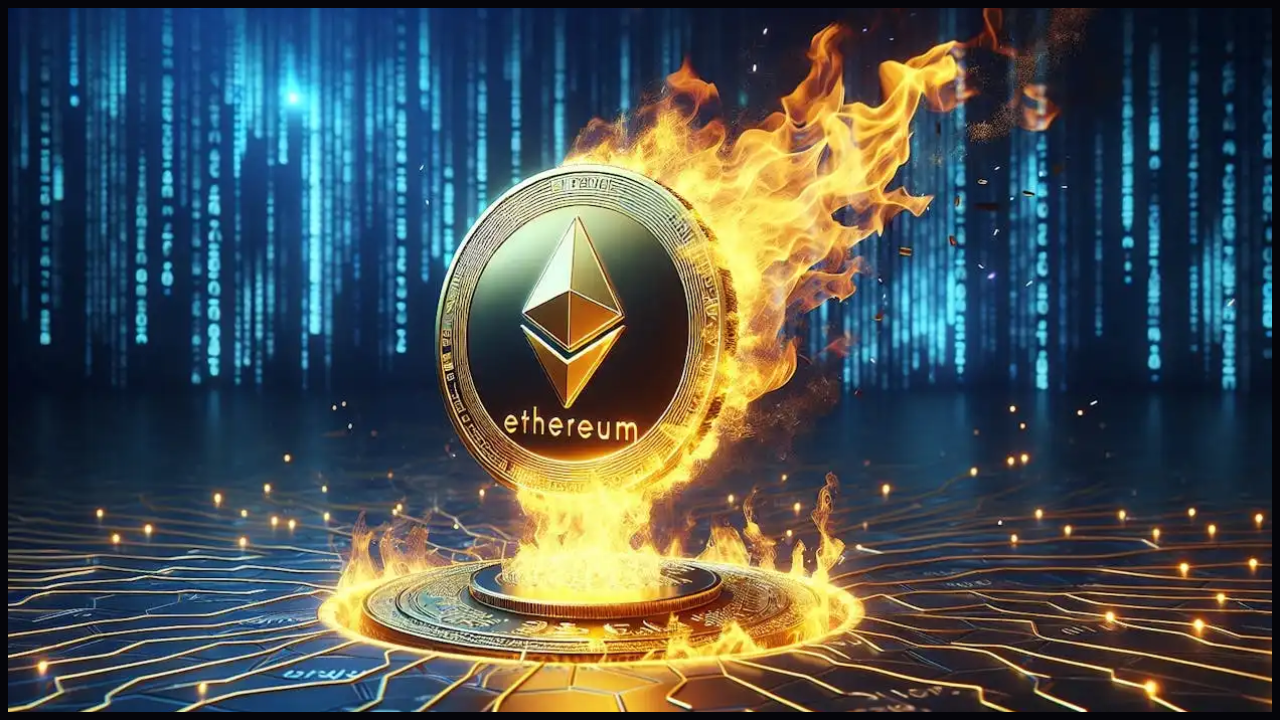
The DustWalletX token burn ceremony live stream 2026 is one of the most anticipated deflationary events in the crypto calendar this year. If you are a trader, holder, or simply watching on-chain activity, understanding exactly what happens during a live token burn ceremony, why it matters, and how to position yourself could be the difference between catching a major price move and missing it entirely. This guide covers everything.
What Is the DustWalletX Token Burn Ceremony?
A token burn ceremony is a publicly verifiable, on-chain event in which a project permanently removes a portion of its circulating token supply by sending tokens to an unspendable wallet address. Once tokens arrive at that address, they can never be recovered or spent. The total supply shrinks, and every remaining token becomes a slightly larger share of the pie.
DustWalletX frames its burn as a ceremony rather than a routine transaction. That distinction matters strategically. By live streaming the event, the team invites community participation, builds real-time transparency, and creates a media moment that drives attention to the project.
The live stream format also allows independent verifiers to confirm the on-chain transaction in real time, removing any doubt about whether the burn actually occurred.
Continue Reading: ProofOfSilence coin whitepaper for 2026 | Full Breakdown
How Token Burns Work On-Chain
The Mechanics Behind a Deflationary Burn
When tokens are burned, they are sent to what is commonly called a null address or dead address, typically a string of zeros or a well-known uncontrolled wallet like Ethereum’s 0x000...dEaD. The blockchain records the transfer publicly, and because no private key controls the destination, those tokens are mathematically unreachable forever.
The process is irreversible by design. Unlike a treasury lockup or a vesting schedule, a completed token burn cannot be unwound through governance votes or team decisions.
Proof of Burn and On-Chain Verification
Any holder can verify a burn independently by checking the receiving address on a public block explorer. This on-chain transparency is what separates a credible burn ceremony from an empty marketing announcement. Projects that live stream their burns typically display the transaction hash in real time so viewers can cross-reference the event with the blockchain data themselves.
Continue Reading: NomadBTC offline transaction synced via pigeon relay
Why the DustWalletX Token Burn Ceremony Live Stream 2026 Matters for Traders
Supply Reduction and Price Dynamics
Token burns directly alter the supply side of the fundamental supply and demand equation. When circulating supply decreases while demand holds steady or grows, basic economic logic points toward upward price pressure. However, the relationship is not automatic.
Research into crypto burn events consistently shows that burns work best when paired with genuine product demand and ecosystem usage. A burn tied to real protocol revenue, like Ethereum’s EIP-1559 fee burn which has permanently removed millions of ETH since its implementation, tends to produce sustained positive price effects. A burn that is purely cosmetic, with no underlying utility driving demand, often creates a short-term spike followed by a reversion to prior levels.
For DustWalletX specifically, the ceremony structure signals that the team views supply management as a long-term commitment, not a one-time event.
Psychological Impact on Market Sentiment
Beyond the pure mechanics of supply, token burns generate measurable psychological effects in crypto markets. They communicate several things simultaneously to the community and to outside observers.
A live burn ceremony tells the market that the team is active and transparent. It signals confidence in the project’s future by voluntarily destroying assets that could otherwise be sold. It also creates a focal point for community coordination, which tends to attract new buyers in the days surrounding the event.
Positive sentiment events like these often create self-fulfilling momentum, drawing in traders who anticipate the price reaction to the burn, which in turn produces the reaction they anticipated.
Continue Reading: Bitcoin Halving 2026 Effect: What Every Trader Must Know
How to Watch the DustWalletX Token Burn Ceremony Live Stream 2026
Where the Live Stream Is Hosted
Token burn ceremonies in 2026 are typically broadcast across multiple platforms simultaneously to maximize reach and prevent any single point of failure. Common live stream venues for major crypto projects include:
Platform options for live burn ceremonies:
| Platform | Primary Audience | Verification Method |
|---|---|---|
| YouTube Live | Broad crypto community | On-screen transaction hash |
| X (Twitter) Spaces | Active traders and holders | Real-time block explorer link |
| Discord Stage | Core community members | Bot-posted txn confirmation |
| Twitch | Gaming and crypto crossover audience | Screen-shared explorer feed |
Always confirm the official stream link through the project’s verified social channels before the event. Phishing streams that mimic legitimate ceremonies are a known attack vector in the crypto space.
What to Watch for During the Ceremony
During a live burn, experienced on-chain analysts focus on several specific data points beyond just the transaction itself.
The total number of tokens burned relative to circulating supply is the primary metric. A burn of 1% of circulating supply has very different implications than a burn of 10%. Watch for the announced figure versus the actual on-chain amount, as any discrepancy is a major red flag.
The timing of the burn transaction also matters. Teams that execute the burn at the exact announced time demonstrate operational discipline. Delays or vague timing can indicate rushed coordination or poor smart contract preparation.
Finally, observe how the token price reacts in real time on DEX aggregators and centralized exchanges during the stream. The market’s immediate response often reveals whether sophisticated traders had already priced in the event.
Continue Reading: How Many Cryptocurrencies Are There? The Final Answer
DustWalletX Tokenomics and the Role of Regular Burns
Understanding the Deflationary Model
A well-designed deflationary token model incorporates burns as a structural feature rather than an occasional event. Projects with the most durable burn narratives tie supply reduction directly to protocol activity. When every transaction, swap, or product interaction automatically burns a fraction of tokens, the burn rate scales with adoption.
DustWalletX’s approach of a scheduled ceremony burn sits alongside this protocol-level activity as a periodic supply management tool. The ceremony itself serves both an economic function and a governance signaling function, demonstrating that the team remains committed to the roadmap.
Circulating Supply, Market Cap, and Fully Diluted Valuation
Traders evaluating a burn event should track three supply-related metrics carefully.
Circulating supply is the number of tokens actively tradeable in the market. Market capitalization equals circulating supply multiplied by the current price. Fully diluted valuation (FDV) represents the total market cap if every token that will ever exist were in circulation today, including locked and yet-to-be-minted tokens.
A burn reduces circulating supply, which lowers market cap at any given price, but also reduces FDV. The ratio between market cap and FDV is a useful signal of how much future supply could weigh on the price as tokens unlock.
Continue Reading: Is It Too Late to Get Into Crypto? The 2026 Truth
Token Burn Live Stream vs. Automated Protocol Burns: Key Differences
Not all token burns are created equal. Understanding the distinction helps traders evaluate the true scarcity impact of any given event.
Comparison of burn types:
| Burn Type | Transparency | Predictability | Community Engagement |
|---|---|---|---|
| Live stream ceremony | Very high | Event-driven | Maximum |
| Automated protocol fee burn | High | Continuous | Passive |
| Quarterly buyback and burn | Medium-high | Scheduled | Moderate |
| Ad-hoc treasury burn | Variable | Unpredictable | Low to high |
Live stream ceremonies like the DustWalletX event score highest on community engagement because they transform a technical transaction into a shared community moment. This social layer is increasingly important in an era where token holders expect radical transparency from project teams.
Historical Precedents: What Major Token Burns Have Taught Us
Binance Coin and the Quarterly Burn Model
Binance has executed quarterly BNB burns since 2017, using a portion of exchange profits to buy back and destroy tokens. This consistent, revenue-linked burn program has been cited as a key structural pillar of BNB’s long-term price appreciation. The predictability of quarterly burns allowed the market to factor future supply reductions into present valuations.
Ethereum EIP-1559 and the Fee Burn Mechanism
Ethereum’s shift to a fee burn model through EIP-1559 created the most widely studied burn mechanism in crypto. Because the burned ETH scales directly with network transaction volume, high-demand periods on the Ethereum blockchain produce rapid deflationary episodes. This design aligns burn rate with ecosystem health, making the deflation signal meaningful rather than arbitrary.
Terra Classic and the Limits of Burns Without Utility
The Terra Classic community launched aggressive LUNC burn campaigns following the ecosystem collapse, destroying enormous quantities of tokens. Yet the price impact was largely temporary because the underlying network activity that would justify holding LUNC was absent. This case study is the clearest evidence that supply reduction without demand creation has limited long-term price effect.
The lesson for DustWalletX holders is clear: watch the product roadmap and user adoption metrics as carefully as you watch the burn numbers.
How to Prepare as a Trader for the DustWalletX Token Burn Ceremony Live Stream 2026
Pre-Event Research Checklist
Before any major token burn ceremony, thorough preparation is the foundation of an informed trading decision. Work through the following before the live stream goes live.
Confirm the official date, time, and UTC timestamp of the ceremony through the project’s primary social channels and website. Time zone errors are a common source of missed entries.
Review the announced burn amount against current circulating supply. Calculate what percentage of supply will be removed and compare it to historical burn percentages for similar projects.
Check exchange liquidity on both decentralized and centralized platforms where DustWalletX trades. Low liquidity amplifies price moves in both directions, which increases both opportunity and risk around the event.
Identify the block explorer link where you will independently verify the burn transaction. Having this open before the stream begins means you can confirm the event in real time without relying solely on the team’s announcement.
Risk Management Around High-Volatility Events
Token burn ceremonies are high-attention events that attract both genuine long-term holders and short-term speculative traders. The resulting volatility can be sharp in either direction.
Experienced crypto traders typically avoid entering new positions at the peak of pre-burn hype, as the price may already reflect the anticipated supply reduction. The pattern of “buy the rumor, sell the news” is well-documented in burn event trading and applies directly to live stream ceremonies with heavy social media amplification.
Position sizing matters more than ever in event-driven trading. Entering with a smaller initial position and scaling in based on confirmed on-chain data rather than social media sentiment is a discipline that consistently outperforms reactive trading during high-volatility events.
On-Chain Security During a Token Burn Live Stream Event
Protecting Your Wallet During High-Hype Crypto Events
High-profile token events are actively exploited by scammers. During a major live stream ceremony, phishing attempts spike dramatically. Common attack vectors include fake official channels, fraudulent wallet connection prompts claiming to offer “burn bonuses,” and copycat websites that closely mimic the project’s legitimate domain.
A fundamental security principle applies here: a legitimate token burn ceremony will never require you to connect your wallet or sign a transaction to watch the stream. Viewing is always passive. Any prompt asking for wallet access during a burn stream should be treated as a confirmed scam attempt.
Dusting attacks, where tiny amounts of tokens are sent to thousands of wallet addresses to deanonymize holders through subsequent transaction tracking, also increase in frequency during high-profile events. Avoid transacting with unknown small-balance tokens that appear in your wallet around event dates.
What Happens After the DustWalletX Token Burn Ceremony
Post-Burn Price Behavior and What to Expect
The period immediately following a major burn ceremony is often characterized by elevated volatility as different categories of participants act on the event. Short-term traders who positioned ahead of the burn take profits. Long-term holders absorb the selling pressure. New buyers who learned about the project through the live stream begin their research.
Historical data on burn events shows that the sustainable price effect materializes over weeks and months, not hours. The immediate post-burn price movement is dominated by speculative positioning and is a poor indicator of long-term impact.
The stronger signal comes from what the team does after the ceremony: does protocol activity increase? Are new integrations announced? Does the developer activity on-chain reflect a project building toward its roadmap? These fundamentals, combined with a permanently reduced supply, are what create compounding value over time.
Tracking Post-Burn Metrics
After the ceremony, track the following on-chain metrics to assess real momentum.
Active wallet addresses interacting with the DustWalletX protocol on a daily and weekly basis are a leading indicator of genuine adoption growth. Transaction volume growth, distinct from price speculation, reflects real economic activity flowing through the network. New holder wallet counts in the days after the burn reveal whether the event successfully attracted new participants.
Frequently Asked Questions
Q1: What exactly happens during the DustWalletX token burn ceremony live stream 2026?
During the live stream, the project team executes an on-chain transaction that sends a specified quantity of DustWalletX tokens to a permanently uncontrolled wallet address. The transaction is displayed publicly in real time via a block explorer so any viewer can independently verify that the burn occurred as announced. The ceremony format adds transparency and community engagement to what is, technically, a single blockchain transaction.
Q2: Does the DustWalletX token burn guarantee a price increase?
No burn event guarantees a price increase. Supply reduction creates favorable conditions for price appreciation when genuine demand for the token exists, but the market’s response depends on broader conditions including trading volume, ecosystem activity, investor sentiment, and macroeconomic factors affecting the wider crypto market. Traders should conduct their own research and manage risk accordingly.
Q3: How can I verify that the burn actually happened?
Open the block explorer for the blockchain where DustWalletX operates, search the announced receiving null address, and confirm that the transaction hash provided by the team appears on-chain with the stated token quantity. The burned tokens will be visible in the dead address’s transaction history permanently. This verification is independent of the project team and can be done by any person with internet access.
Q4: Is it safe to watch a token burn live stream, and what security precautions should I take?
Watching a live stream is completely safe. The risk arises from scam operations that create fake streams mimicking the official event. Always navigate to the live stream exclusively through links posted on the project’s verified official social accounts and website. Never connect your wallet to any site claiming to offer burn rewards, bonuses, or exclusive access for wallet verification. A legitimate burn ceremony requires no action from viewers beyond watching.
Q5: How does the DustWalletX token burn ceremony compare to automated burns used by projects like Ethereum or BNB?
Ethereum burns transaction fees continuously and automatically with every block, creating a persistent deflationary mechanism tied directly to network usage. BNB uses a quarterly buyback and burn linked to exchange revenue. DustWalletX’s live stream ceremony is a scheduled, transparent community event that serves both an economic supply management function and a community engagement function. Each model has distinct advantages: automated burns are more predictable and scale with usage, while ceremony burns generate stronger community attention and can deliver larger single-event supply reductions.
This article is intended for informational and educational purposes only. It does not constitute financial or investment advice. Cryptocurrency markets are highly volatile. Always conduct your own research and consult a qualified financial advisor before making investment decisions.
Be First to Comment